Acura V6 Timing Belt Service · West Palm Beach, FL
Essential Care for Your Acura V6 Engine and the Role of the Timing Belt
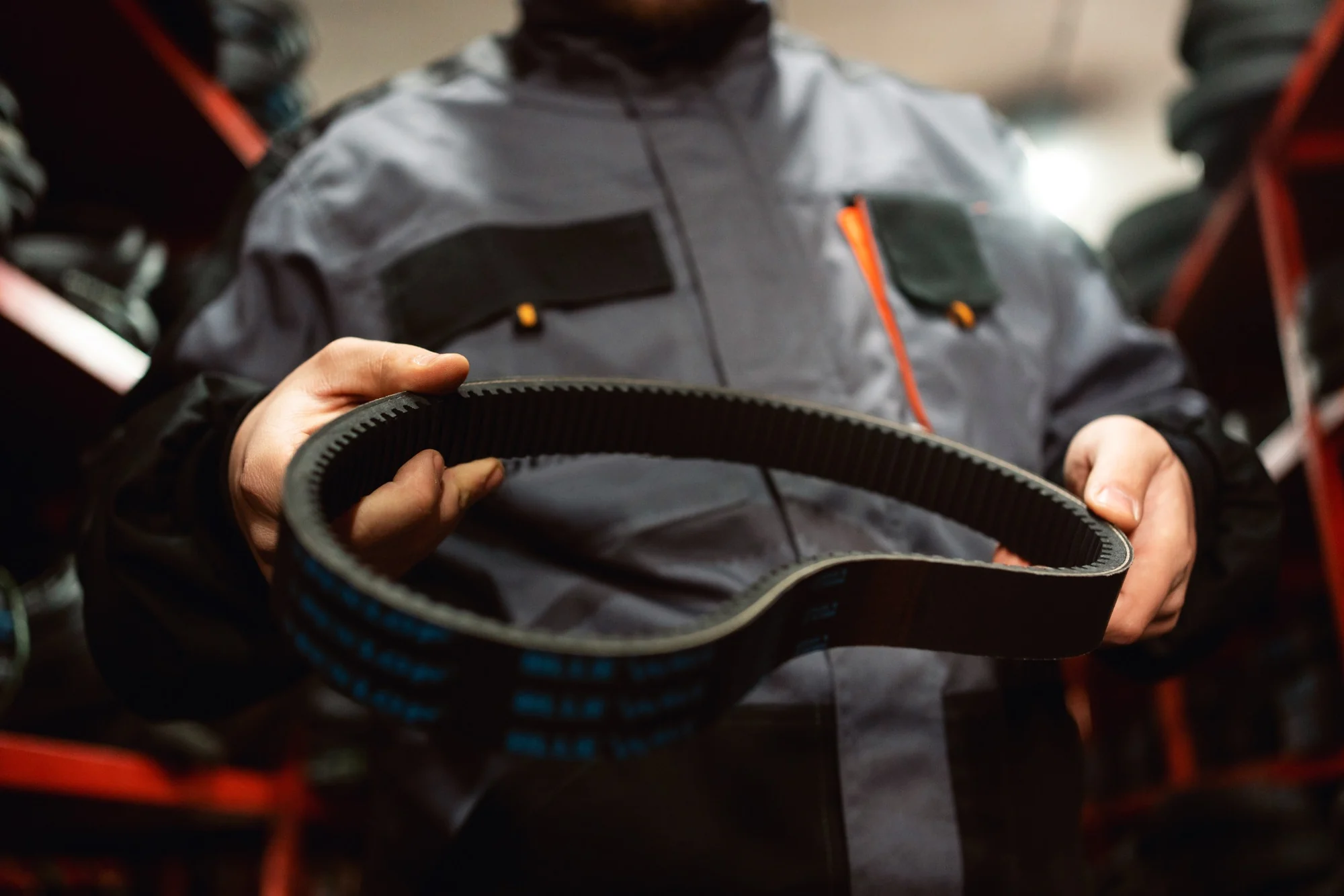
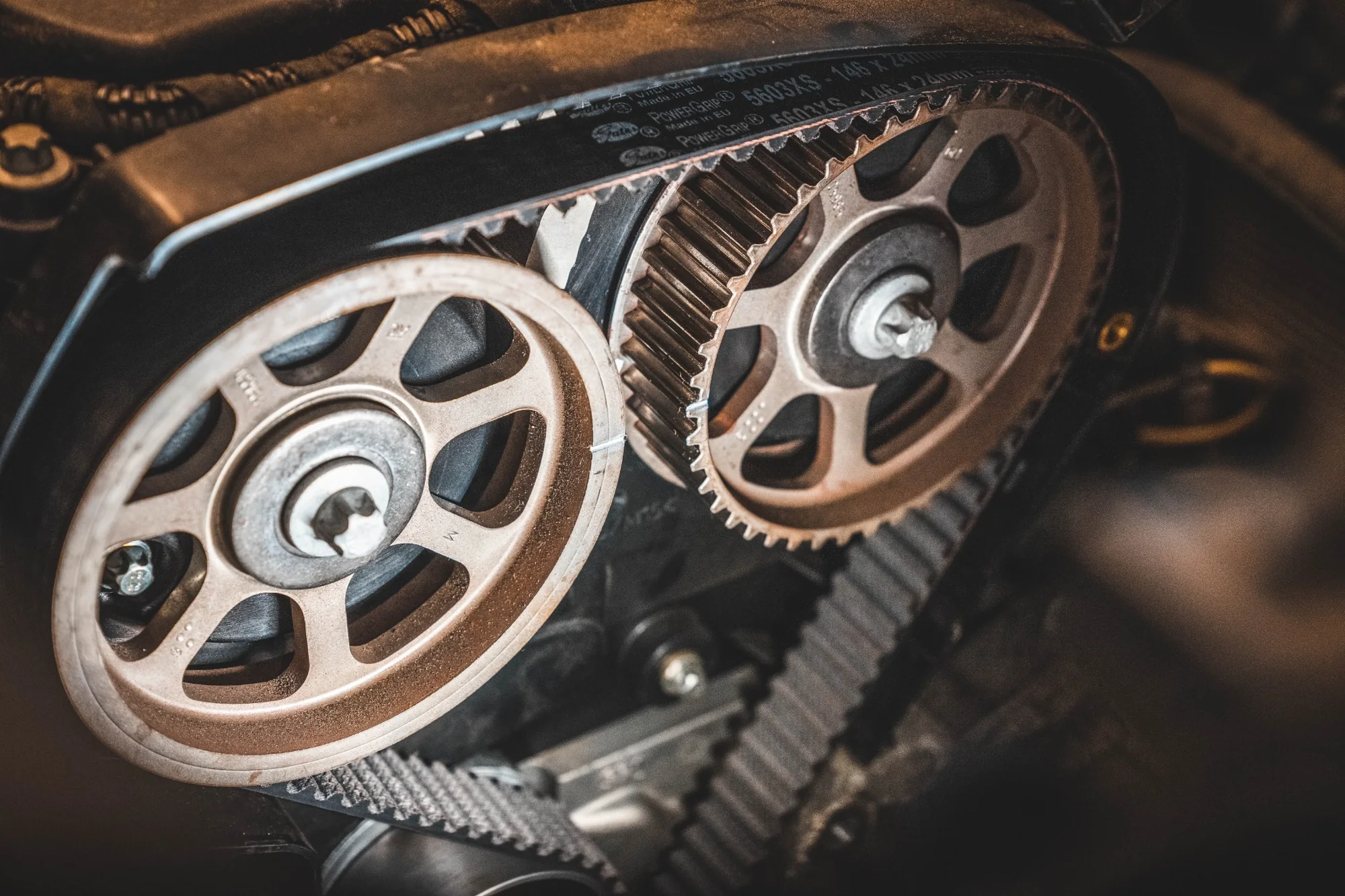
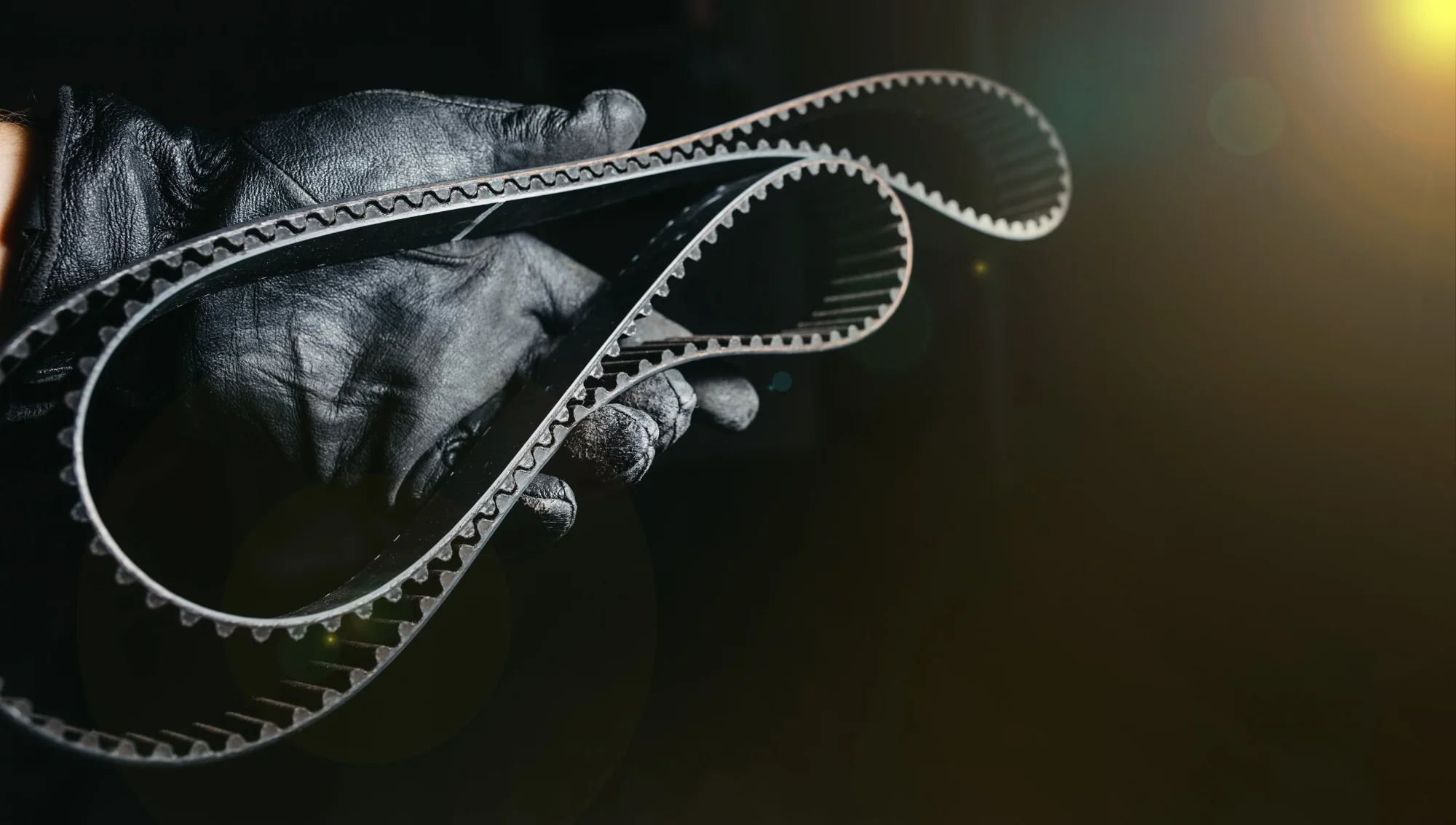
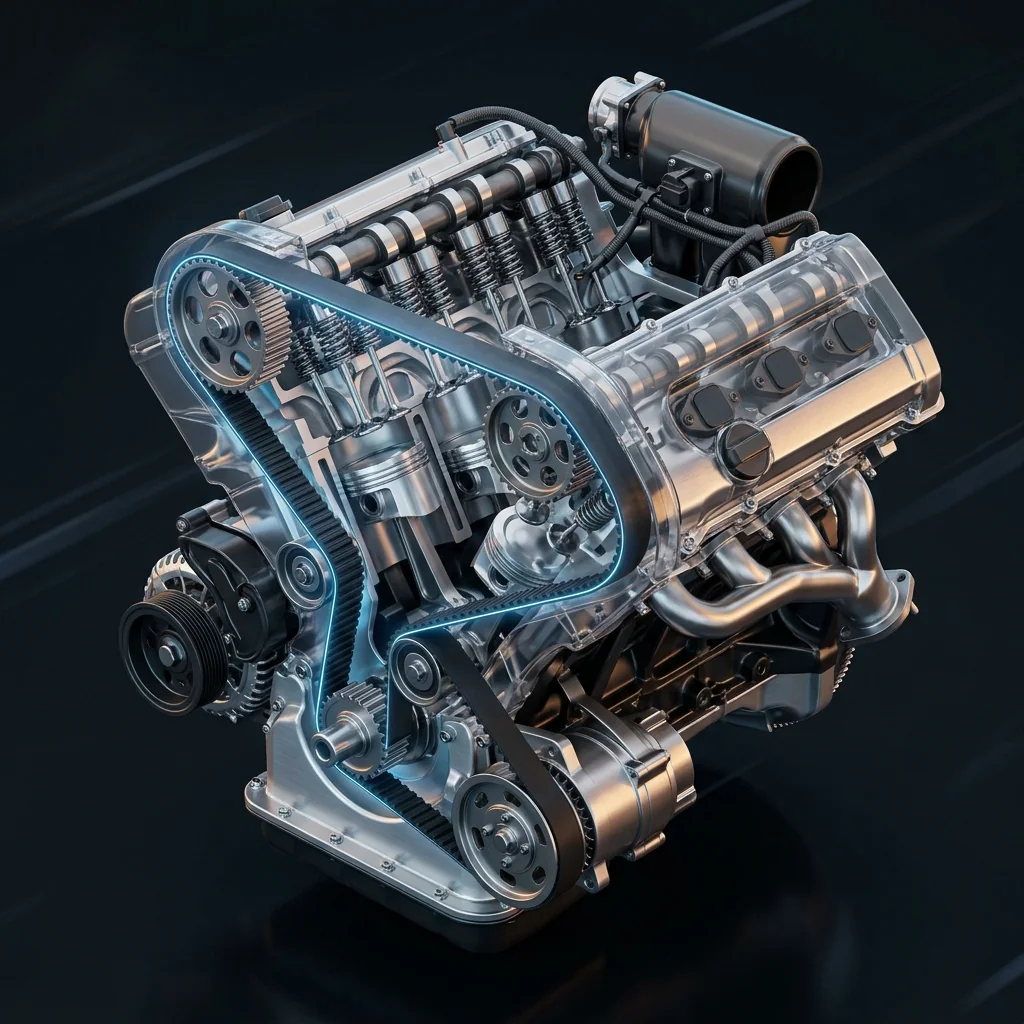
The internal mechanics of a luxury powertrain require absolute synchronization to deliver the smooth, responsive performance expected of a premium vehicle. In many of Acura’s highly regarded V6 engines, this synchronization relies entirely on the timing belt. This heavy-duty, reinforced rubber band features precise teeth that mesh with the gears of the crankshaft and camshaft. By physically linking these two major assemblies, the timing belt ensures that the engine intake and exhaust valves open and close at the exact microsecond required relative to the position of the pistons.
Protecting the Synchronization Inside Your Acura V6
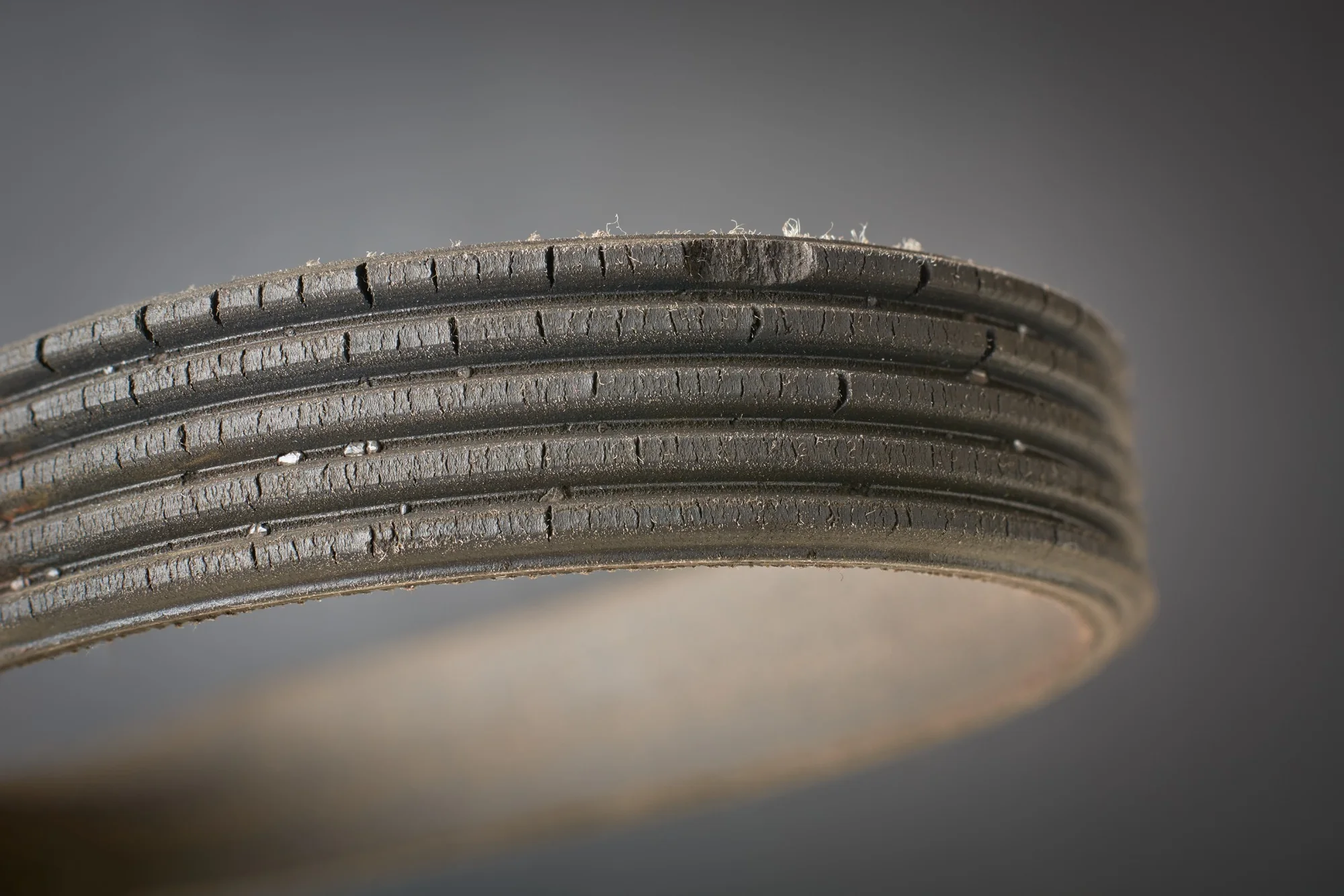
Because V6 engines operate under high thermal and mechanical stress, this component undergoes gradual wear with every mile driven. Over time, the rubber degrades, loses its structural elasticity, and can develop micro-cracks. If the belt slips or snaps, the synchronization is instantly lost, which can cause catastrophic internal contact between the valves and the pistons. Routine preventative care is the only way to safeguard your engine from this type of sudden mechanical failure.
To keep your powertrain operating at peak performance, our factory-trained technicians utilize specialized diagnostic tools and genuine OEM parts designed specifically for your vehicle's configuration. If you are noticing any changes in your engine's idle quality or are approaching the recommended mileage interval, you can easily book a diagnostic check through our online service scheduler. For drivers commuting along the busy coastal corridors of West Palm Beach, maintaining this critical engine component is essential to preventing unexpected roadside breakdowns. If you would like to speak directly with an advisor regarding your maintenance schedule, please give our team a quick call or stop by our service department at 6870 Okeechobee Blvd, West Palm Beach, FL 33411 for a personalized consultation.
V6 Timing Belt Design
Which Acura V6 Engines Rely on a Timing Belt and Why Acura Chose This Design
A common point of confusion for many luxury vehicle owners is whether their specific powertrain utilizes a timing belt or a timing chain. Historically, Acura's naturally aspirated J-series V6 engine family, which includes the 3.2L, 3.5L, and 3.7L displacements, has relied on a timing belt. This includes popular V6-powered utility vehicles and sedans like older generations of the TL, TLX, RL, RLX, and the highly popular three-row MDX crossover. In contrast, newer turbocharged inline-four cylinder engines, such as the one found in our current Acura Integra inventory, utilize a maintenance-free timing chain.
Engineers originally selected a timing belt over a metallic timing chain for the naturally aspirated V6 platform for several distinct performance advantages:
Why Acura Used a Belt
Acoustic Refinement
Hover or focus to learn more
Acoustic Refinement: Rubber belts operate with significantly less friction and mechanical noise than metal chains, preserving the whisper-quiet cabin environment expected in a luxury vehicle.
Why Acura Used a Belt
Reduced Rotating Mass
Hover or focus to learn more
Reduced Rotating Mass: A lightweight rubber belt requires less energy to rotate than a heavy steel chain, improving throttle response and overall engine efficiency.
Why Acura Used a Belt
Engine Packaging
Hover or focus to learn more
Engine Packaging: Belts allow for a narrower and more compact cylinder head design, which helps optimize the under-hood layout.
While newer high-performance powerplants like the twin-scroll turbocharged V6 found in the 2026 Acura MDX Type S have transitioned to a timing chain design, hundreds of thousands of dependable naturally aspirated J-series V6 engines on the road today still require routine belt replacements to maintain their legendary reliability.1
Maintenance Minder Sub-Code 4
Decoding the Acura Maintenance Minder Sub-Code 4 and Early Warning Signs of Belt Wear
Acura vehicles are equipped with an intelligent onboard diagnostic assistant called the Maintenance Minder system. Rather than relying strictly on static mileage charts, this system monitors engine operating temperatures, startup frequencies, and driving habits to calculate the precise lifespan of your engine fluids and mechanical parts. When the system displays a main code "A" or "B" accompanied by the sub-code 4, it indicates that your vehicle has reached the interval to replace the timing belt, inspect the water pump, and check the valve clearances. This code typically triggers around 105,000 miles or roughly every seven years, whichever comes first.2
While the Maintenance Minder is highly accurate, extreme operating conditions can accelerate physical wear. Because the timing belt is sealed behind a protective plastic cover, it cannot be easily viewed during a basic visual inspection. However, there are several physical symptoms that may point to a degrading belt:
A high-pitched squealing, slapping, or ticking noise emanating from the front passenger side of the engine bay.
Rough idling, engine misfires, or a sudden loss of power as a stretched belt alters the camshaft timing.
Oil residue leaking from the front camshaft or crankshaft seals, which can saturate the rubber belt and cause it to slip.
If you are driving a V6-powered luxury vehicle, such as a model from our premium Acura MDX inventory, ignoring these symptoms can lead to sudden belt failure. If the belt slips even a single tooth on the gear sprocket, the onboard computer will detect a discrepancy between the crankshaft and camshaft sensors, immediately illuminating the Check Engine Light and storing diagnostic trouble codes.
Why Replacing the Water Pump and Tensioners Simultaneously Protects Your Investment
During a professional timing belt service, a certified technician will always recommend replacing the engine's water pump, hydraulic belt tensioner, and idler pulleys at the same time. While some drivers might wonder if this is an unnecessary addition, it is actually an industry best practice designed to save you thousands of dollars in future labor costs. The water pump on the Acura V6 is driven directly by the teeth of the timing belt and is housed deep inside the exact same engine cavity.3
To access either the timing belt or the water pump, a technician must perform a highly labor-intensive teardown of the front engine assembly, which involves removing the engine accessory drive belts, the motor mounts, and the protective timing covers. If you choose to replace only the belt and the water pump begins to leak or seize 10,000 miles later, you will have to pay for the exact same multi-hour labor procedure all over again. Furthermore, a seized water pump pulley or a failed hydraulic tensioner will throw the timing belt off its tracks instantly, causing the exact same catastrophic engine damage as a snapped belt.
Water PumpShared service area
Hydraulic Belt TensionerTiming control
Idler PulleysBelt guidance
By installing a complete timing component kit, you ensure that all spinning parts wear at the exact same rate, giving you total peace of mind for the next 100,000 miles. For drivers looking for a highly efficient alternative that does not feature this specific maintenance requirement, our compact crossover lineup, including models in our Acura ADX inventory, utilizes a timing chain system that does not require scheduled belt replacements.
Preventing Internal Engine Damage
The Severe Consequences of Timing Belt Failure and Why Prevention Beats an Engine Rebuild
Acura J-series V6 engines are designed as "interference" engines. In an interference design, the area of the cylinder bore where the intake and exhaust valves open actually overlaps with the space the piston occupies at the top of its combustion stroke. Under normal operating conditions, the timing belt keeps these moving parts perfectly synchronized so they never occupy the same space at the same time.4
If the timing belt snaps while the engine is running, the camshafts instantly stop spinning, leaving several valves stuck in the fully open position. Meanwhile, the heavy steel crankshaft continues to spin due to vehicle momentum, forcing the aluminum pistons upward at thousands of revolutions per minute. The resulting metal-on-metal collision causes severe internal damage:
Bent or completely broken intake and exhaust valves.
Fractured valve guides and damaged cylinder head castings.
Punctured or heavily scarred piston tops.
Bent connecting rods and scored cylinder walls.
While it is technically possible to rebuild an engine after this type of failure, the repair process is exceptionally complex. It requires removing the cylinder heads, sending them to a specialized machine shop for resurfacing, replacing all damaged valves, and potentially replacing the entire short-block assembly if the pistons or cylinder walls are fractured. In many cases, the total cost of parts and precision machine labor exceeds the actual market value of an older vehicle, making preventative replacement the only logical financial decision. For drivers seeking a highly reliable luxury vehicle with a modern turbocharged engine, exploring our Acura RDX inventory offers an excellent path forward with its advanced, maintenance-free chain-driven powertrain.
Planning Your Service Visit
Planning for Your Service Visit: Cost Expectations, Repair Timelines, and Long-Term Value
A comprehensive timing belt and water pump replacement is a highly precise, major mechanical service that typically requires between four and six hours of dedicated shop time. Because the procedure involves draining the engine coolant, removing structural engine mounts, and utilizing specialized alignment tools to lock the camshafts in place, it is a task that should only be entrusted to factory-certified specialists. At our state-of-the-art Service Center, our technicians use precise torque specifications and genuine OEM fluids to ensure your engine is restored to factory standards.5
While the upfront cost of a timing belt service is higher than routine oil changes, it represents an outstanding value when compared to the cost of a complete engine replacement. Performing this service on schedule preserves the high resale value of your vehicle and ensures its long-term reliability. Our fully stocked Parts Center carries only genuine Acura timing kits, which feature upgraded rubber compounds and high-quality bearings designed to withstand the intense, sustained heat of South Florida summers.
For residents living in the coastal community of Lantana, keeping up with this milestone service is the best way to ensure your vehicle remains dependable for daily highway commutes and weekend getaways. If you are ready to schedule your service or have questions about our current maintenance specials, please contact our service team at (877) 549-3988 or stop by our dealership to speak with an advisor in person.
Acura Timing Belt FAQs
Common Questions About Acura V6 Timing Belt Maintenance
Q: Does my driving style affect how long my timing belt will last?
Yes, driving habits and environmental factors play a significant role in rubber degradation. Frequent short trips that prevent the engine from reaching optimal operating temperature, heavy stop-and-go commuting in high ambient heat, and prolonged idling can all accelerate the aging process of the rubber compounds. If you frequently drive in extreme heat, we recommend having our technicians inspect the belt cover area for any signs of premature wear.
Q: Will a timing belt failure trigger a warning light on my dashboard before it breaks?
No, a timing belt will not trigger a warning light before it actually fails. Because the belt is a mechanical rubber component, the vehicle's computer cannot monitor its physical structural integrity. The Check Engine Light will only illuminate if the belt stretches enough to cause a timing misalignment between the sensors, or after the belt has already broken and the engine has stalled.
Q: What is the difference between a timing belt and a serpentine belt?
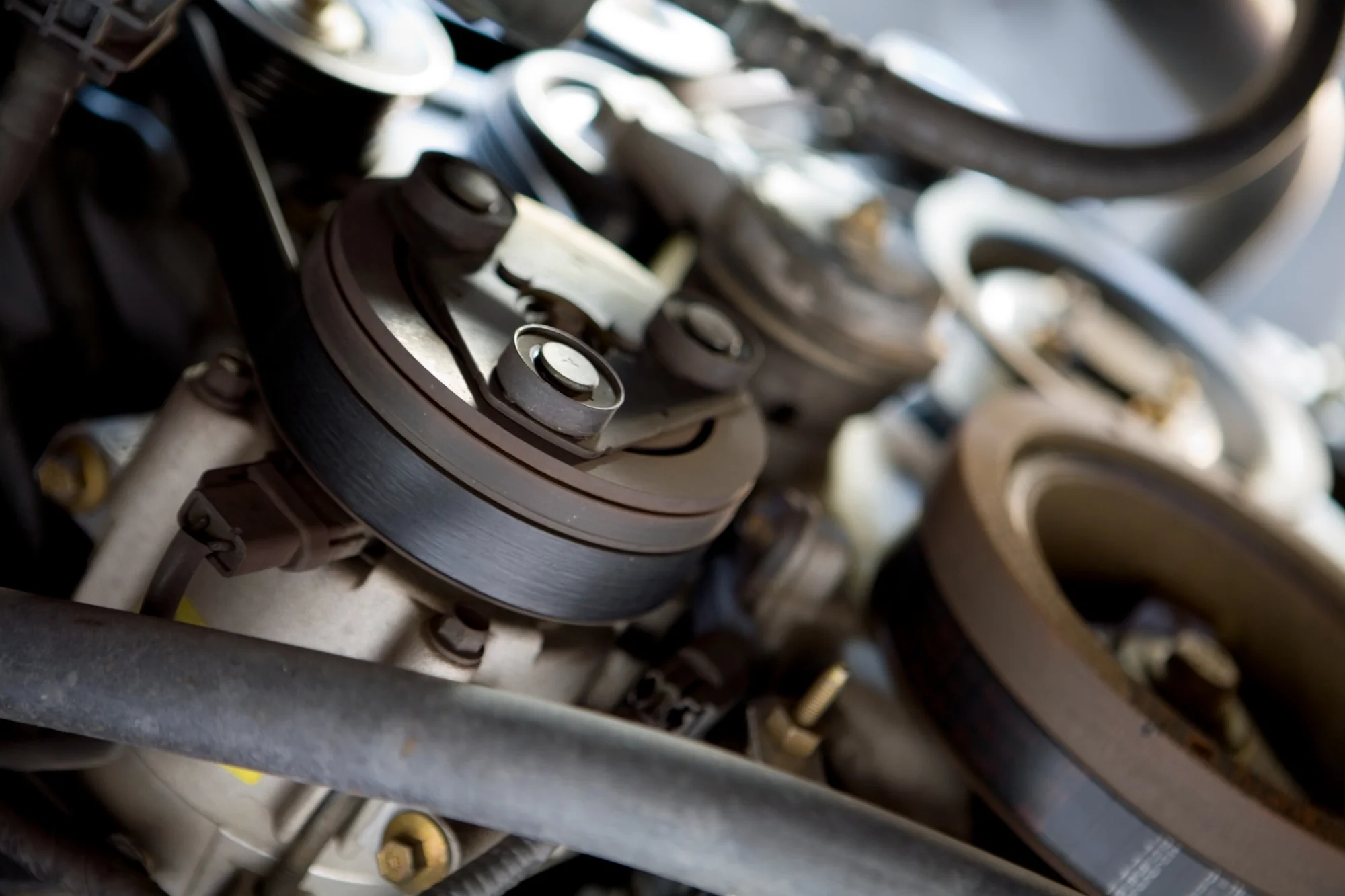
The timing belt is an internal, notched belt that synchronizes the internal combustion cycle by linking the crankshaft and camshafts. A serpentine belt is an external, ribbed belt that is visible when you open the hood. The serpentine belt drives your vehicle's external accessories, such as the alternator, air conditioning compressor, and power steering pump.
Q: Should I consider trading in my vehicle instead of performing this service?
If your vehicle is structurally sound and has been well-maintained, performing the timing belt service is highly economical. Investing in this preventative service is significantly less expensive than taking on a new vehicle payment, and it preserves the high resale value and mechanical longevity of your luxury vehicle for years to come.
Q: Why do some newer Acura models use timing chains instead of belts?
As engine technology has evolved, manufacturers have developed high-strength, low-friction timing chains that can last the entire lifespan of the vehicle without requiring scheduled replacements. This transition reduces the long-term maintenance burden for owners while still meeting strict modern efficiency and performance standards.6
What is typically included in an Acura V6 timing belt service?
A comprehensive Acura V6 timing belt service typically addresses the timing belt itself and evaluates related components that share the same service area, including the water pump, hydraulic tensioner, and idler pulleys. Your technician should confirm the exact parts and procedures required for your Acura model, model year, mileage, and engine configuration before work begins.
Can South Florida heat affect Acura V6 timing belt wear?
Sustained heat can contribute to the aging of rubber components, especially when combined with frequent stop-and-go driving, long periods of idling, or fluid leaks near the timing cover. West Palm Beach drivers should still follow the maintenance guidance for their specific Acura and use inspections to identify conditions that may justify earlier attention.
Should I schedule Acura timing belt service before a long road trip?
If your Acura V6 is approaching its timing belt service interval, is overdue by age or mileage, or has developed unusual engine noises or drivability symptoms, scheduling service before a long trip can reduce the risk of an avoidable breakdown. A service advisor can review your maintenance history and help determine whether timing belt service should be completed before you travel.